Hints for RJers
Radio-Sky Spectrograph
The Radio-Sky Spectrograph software, RSS, (https://www.radiosky.com/specdownload.html) is the preferred spectrograph recording & display software for Radio JOVE. The latest installation update of RSS is available at: http://radiosky.com/spec/Spectrograph.exe
Announcement
Second generation SDR-based Radio Telescope Kits are here!
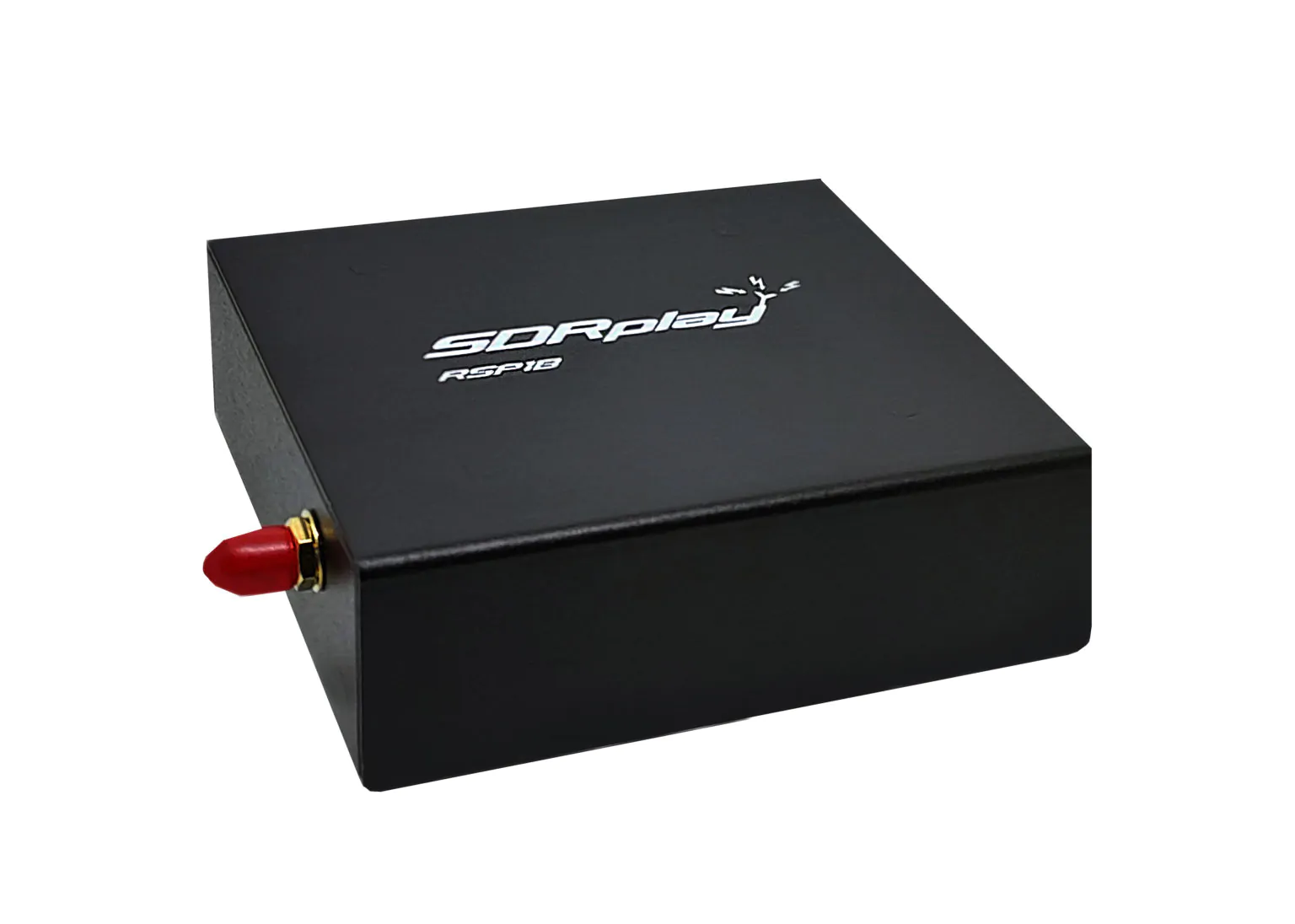 The Radio JOVE Project is now offering decametric radio telescope kits that use the SDRPlay RSP1B receiver. These enable our participants to observe a range of frequencies simultaneously. See the Kit Orders page. See the RJ 2.1 Radio Telescope link for more information.
http://radiojove.gsfc.nasa.gov/radio_telescope/building_testing.php
From the JOVE Bulletin
Video: Historic Maryland — Jupiter Radio Emissions
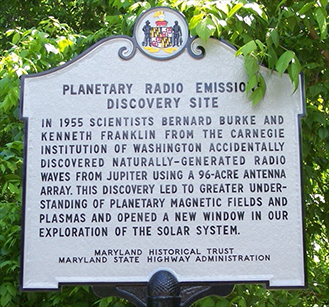 A film crew has created a short video on the story behind the Maryland Historic Marker which recognizes the location where the discovery of Jupiter's Radio Emissions took place in
1955.
A film crew has created a short video on the story behind the Maryland Historic Marker which recognizes the location where the discovery of Jupiter's Radio Emissions took place in
1955.
Historical Note
25+ Years of Radio JOVE:
1999–2024
The Radio JOVE Project turned 25 years-old in 2024! Here's remembering all those who have made the project go over the years, some who are, sadly, no longer with us. Thank you to all those who support and participate in Radio JOVE.
See a related 20-year tribute in this JOVE Bulletin article.
Watch live-streamed Radio JOVE data on YouTube!
Radio JOVE team member Larry Dodd live-streams his radio spectrograph data and audio on YouTube. The spectrograph data come from an SDRplay receiver operating over the 16–24 MHz frequency range. The audio is streamed from an original Radio JOVE receiver tuned to 20.1 MHz. See and hear his live data here: https://youtube.com/channel/UCtawz3MnMBwjz9ShhSC0ygQ/live.
Welcome to Radio JOVE!
 Radio JOVE students and amateur scientists from around the world observe and analyze natural radio emissions of Jupiter, the Sun, and our galaxy using their own easy to construct radio telescopes.
What's New: The new Radio JOVE 2.1 radio telescope kit is now available.
Training Modules - The Radio JOVE project in partnership with the SunRISE Ground Radio Lab have produced a series of training modules about radio astronomy and using your Radio JOVE system.
Observer's Corner
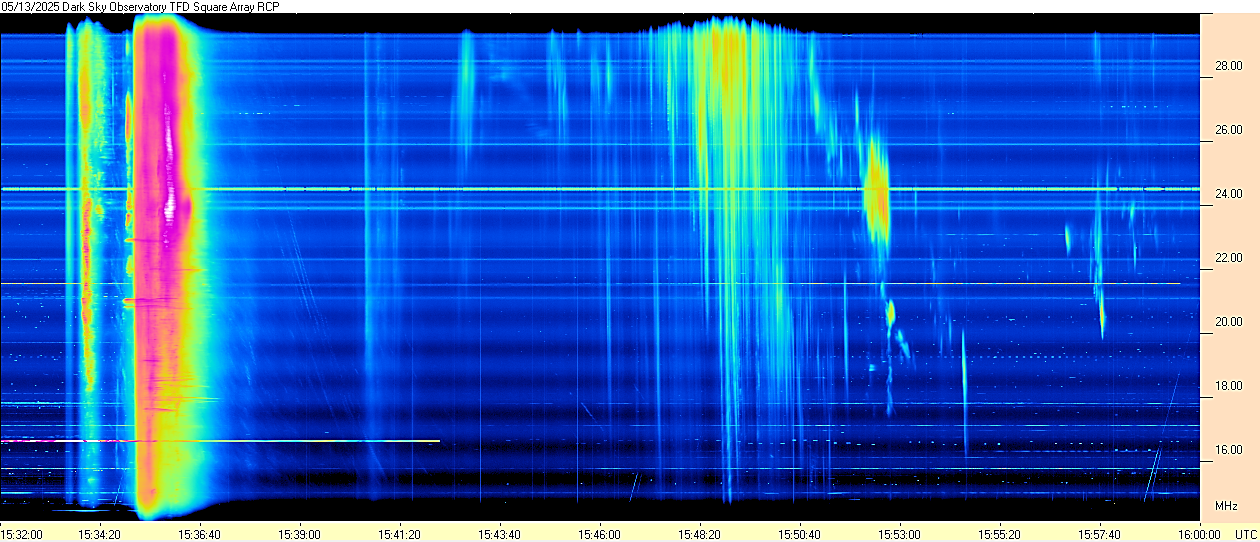
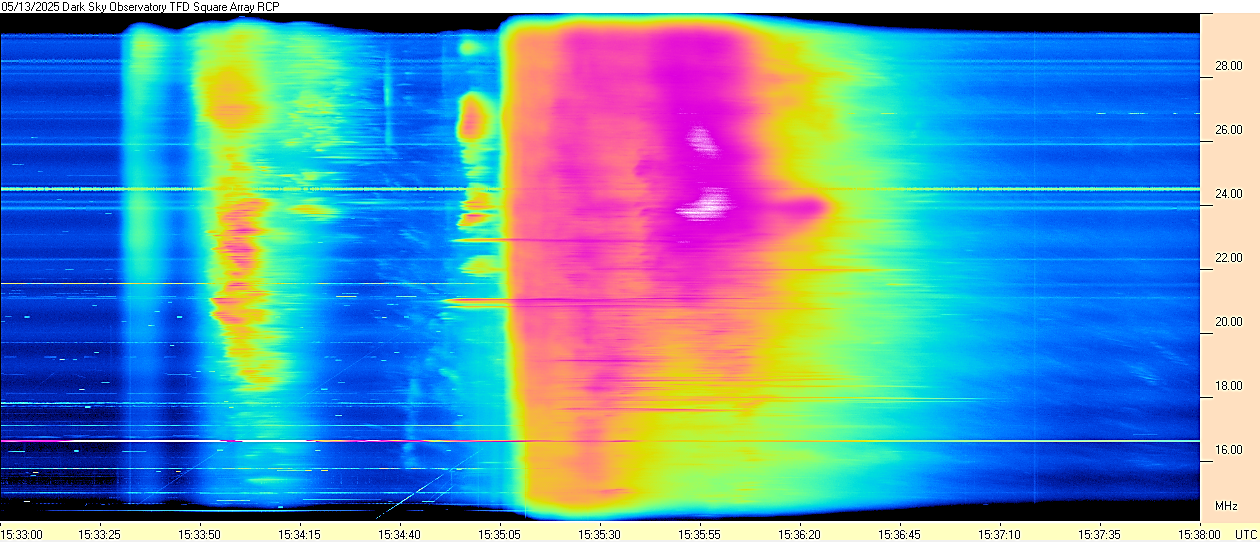
13 May 2025 The Sun erupted in a major way with an X1.2 flare emitted from the Sun’s western limb. Richard Gray and Jacob Hansman at the Dark Sky Observatory in Boone, NC recorded this spectrogram from 14 – 30 MHz using a wideband RX-888 MK II receiver fed by a wideband TFD (Terminated Folded Dipole) antenna. We see the strongest Solar Type III burst associated with the flare at 1535 UTC, followed by some weaker Type IIIs and then a slow drifting Type II from about 1551 to 1555 UTC. The second spectrogram shows the radio emission from the X1.2 flare in some detail.